
What remains after an exhibition?

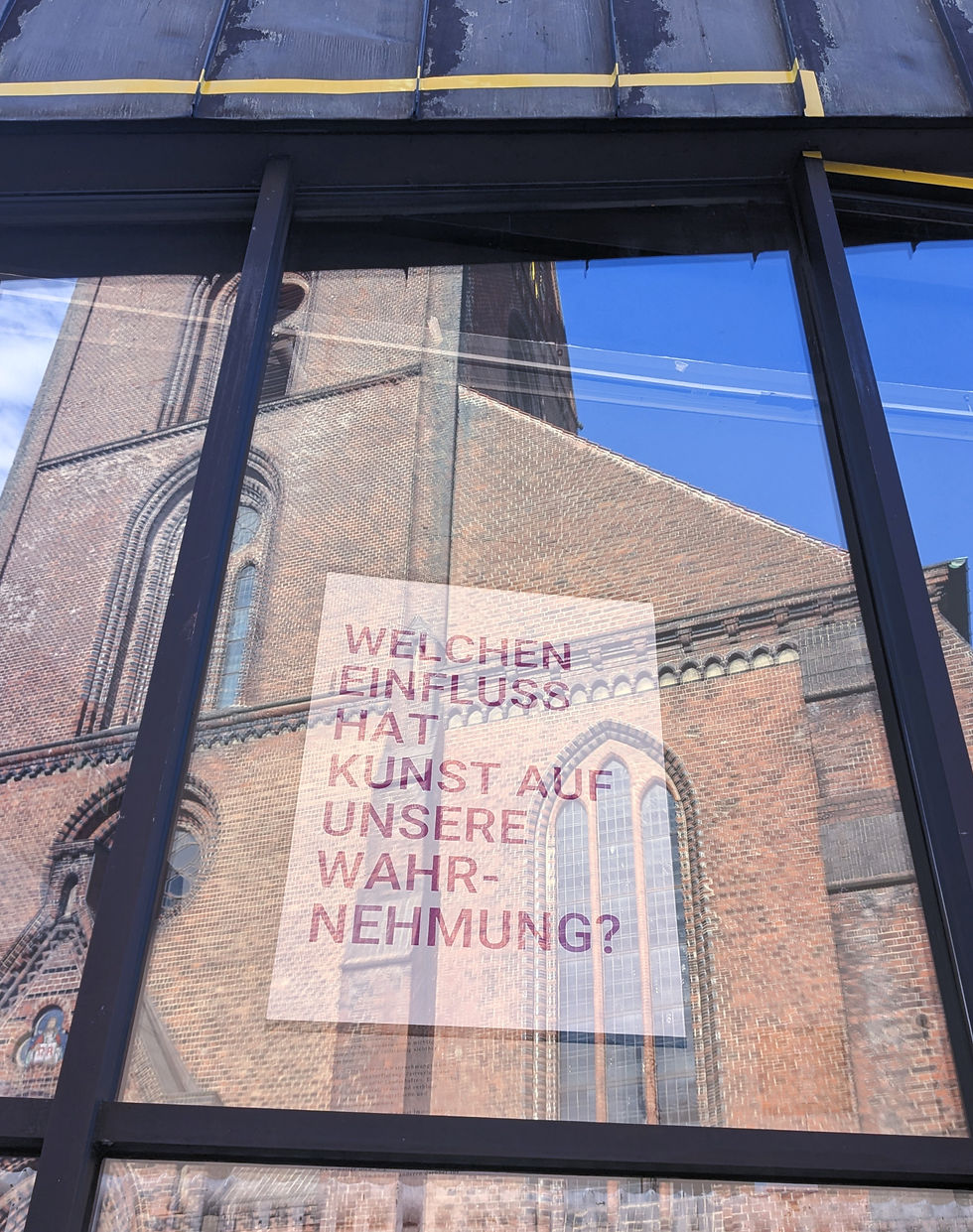
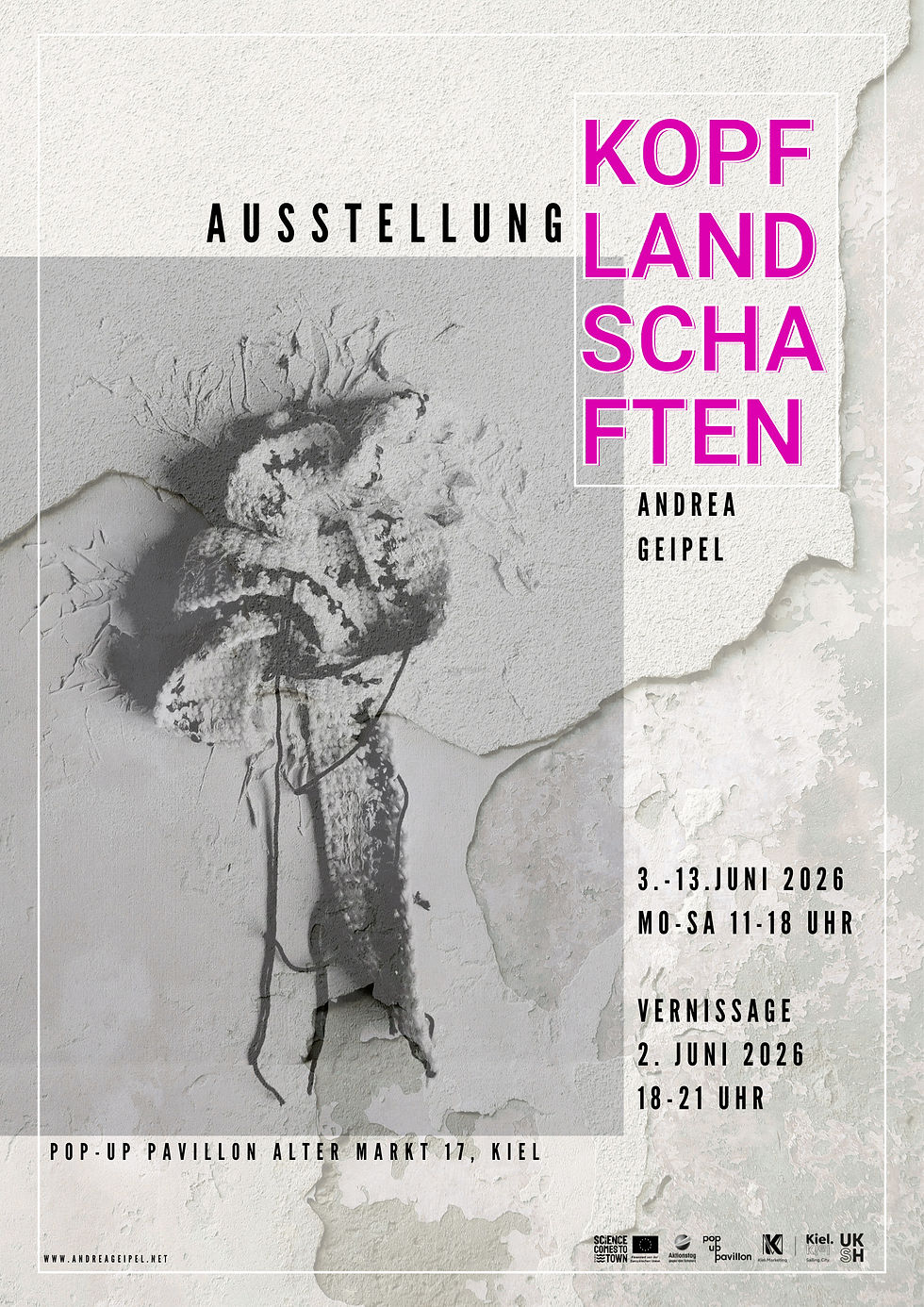
My exhibition KOPFLANDSCHAFTEN (HEAD LANDSCAPES) ended a little over two weeks ago at the Pop-up Pavilion in Kiel.
Since then, I have consciously taken time – to recharge my batteries, to rest and to sort through all the impressions, encounters and experiences.
For me, KOPFLANDSCHAFTEN was more than just an art exhibition.
It was an experiment.
The question wasn't just whether art can make migraine visible, but also whether it can bring people into conversation with each other.
Today I know: Art can.

During the exhibition, 156 people visited. Many stayed considerably longer than planned. They discussed the topics, asked questions, drew on the body map, or simply remained with themselves and their thoughts.
What particularly touched me were the conversations between those affected by migraine and those who aren't. Like when one person in a relationship has migraine and the other doesn't, and suddenly topics come up that hadn't been discussed before. Or when visitors stop in front of "equipped"—the chainmail made of blister packs—and discuss which of the medications hanging there they'd already tried. Or when they ask, somewhat puzzled, why the stomach was colored in on the body map with the question "Where do you feel your migraine?" Or when people tell me how good it feels to feel seen, to be able to talk to someone about the little things in the daily life of someone with migraine.

These encounters were precisely one of the most important goals of the exhibition for me.
The participatory puzzle was a particular challenge for me. Could I capture the many faces of migraine? Could I translate the submitted terms, poems, and comparisons in a way that made the submitters feel seen? In the end, the puzzle was deliberately incomplete, with gaps and one piece still unpainted. Not a complete picture, but many different perspectives on the same illness.

The puzzle pieces were created during the exhibition. 
The final piece of the puzzle will find its place during the closing event.
And like the puzzle, the project is not finished at this point.
The community gallery will remain, and I will present the puzzle in more detail in the coming days. I'm already looking forward to evaluating the contributions from the research stations. In the coming weeks, I will gradually document what has emerged from KOPFLANDSCHAFTEN and look forward to your feedback.
The exhibition is over.
The conversation continues.
Thanks to everyone who visited, accompanied, or enriched KOPFLANDSCHAFTEN with their own experiences.
Further information about the exhibition, including the video of the Insta-LIVE during the Vernissage, can be found here .

Comments